
If you have spent any time in a Brisbane club or an online lobby, you have probably noticed keno moving beyond the ordinary draw and into timed competition formats. These events change the rhythm completely, because you are no longer just picking numbers for a single spin but racing against other players for a shared prize pool. For adults 18+ looking to understand how the mechanics work before spending a late arvo on a new game, the key is to treat the tournament structure as its own product rather than a cosmetic overlay on a standard keno ticket.
The way a player actually encounters a keno tournament is usually through a dedicated lobby tab or a timed prompt that appears during a regular session. Once you enter, you are assigned a seat number, a starting balance, and a countdown clock that determines how many draws you can play before the leaderboard locks. The prize pool is often built from a percentage of entry fees or a fixed operator contribution, and your score is calculated by how many of your selected numbers hit across those draws rather than simply how much you wager. In practice, that means a disciplined ticket over twenty draws can outperform a reckless spend if the tournament scoring rewards consistency, which is why reading the event rules before you tap buy matters more than it does in a casual draw.
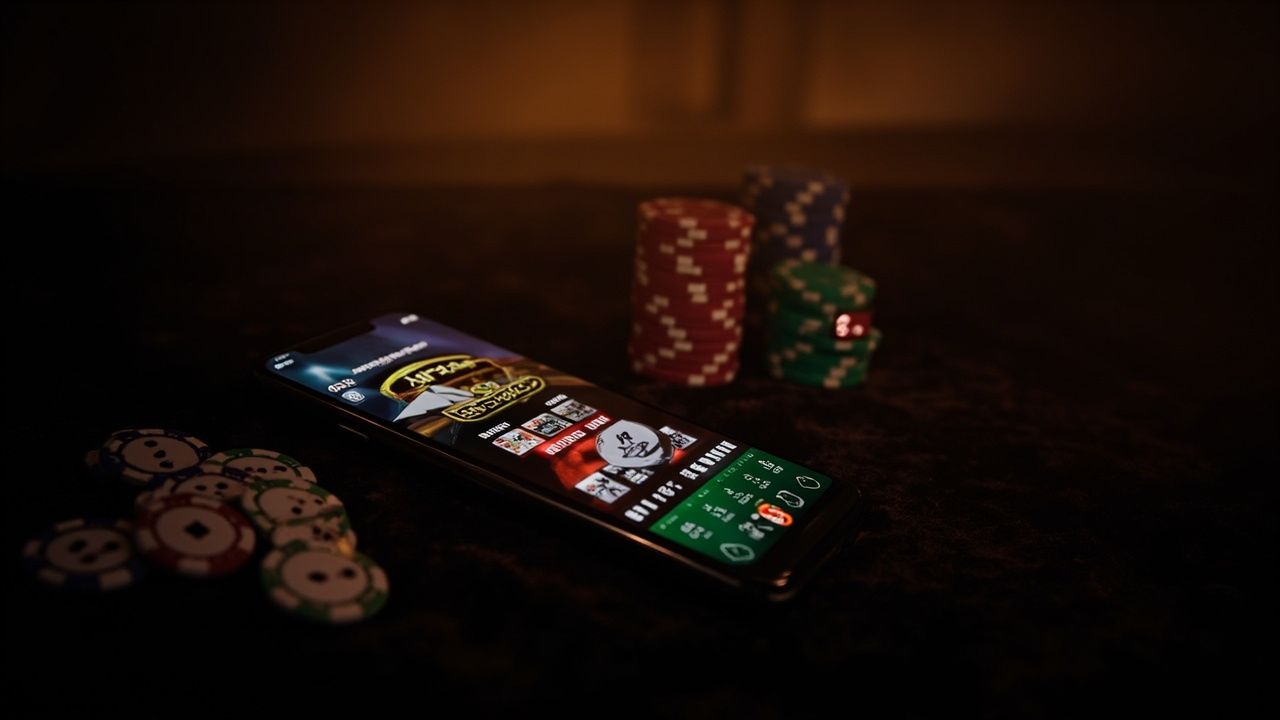
Mobile usability shapes whether that experience feels like a genuine competition or a clumsy afterthought, and the difference shows up quickly when you are trying to adjust picks between meetings or during a lunch break. A well-built tournament interface keeps the leaderboard visible without burying it under pop-ups, lets you switch cards with a couple of taps, and loads the draw animation fast enough that you are not staring at a spinner while the clock runs down. Navigation should stay readable on a phone screen, with ticket history and prize breakdowns easy to reach without zooming, because anything that forces you to hunt for your balance mid-event breaks the pace and makes the whole thing feel like a desktop page shrunk down poorly. When responsiveness holds up, you can actually track your position and decide whether to stick with a conservative card or chase the final draws without second-guessing the layout.
The business side behind these events is where the real consistency gets tested, and anyone who has negotiated operator partnerships across different time zones will tell you that tournament integrity depends on transparent pooling, clear scoring, and payout timing that matches the promise. Annika Harris, Sports Betting Analyst, Blue Gum Gaming Council, has noted that operators who publish their prize formulas and draw schedules upfront tend to keep players returning, because the competition feels like a fair contest rather than a mystery payout. Andrew Ryan, Chief Financial Officer, Southern Star Esports, has cautioned that tournament cashflows need careful reconciliation so prize pools do not get tangled with standard game liabilities, which is why a reputable operator separates the funds and shows the split clearly. Mia Henderson, iGaming Regulatory Consultant, Outback Gaming Research, has pointed out that even where keno is offered through licensed club channels, tournament-style events still need the same age checks and responsible-play prompts as any other product, and players should treat any site that skips those steps as a red flag rather than a shortcut.
For anyone weighing whether a keno tournament fits their routine, the practical question is whether the format matches how you actually want to play instead of chasing a vague promise of bigger returns. A solid tournament keeps the rules plain, the clock visible, and the mobile flow smooth enough that you can join from a phone without fighting the interface, and you can check the current event structure and entry details at https://jackp0t-j1ll-vip-login.com before you commit a quiet evening to it. The best way to judge one is to watch a round or two, see how the leaderboard moves, and decide whether the pace suits your style, so tell us which tournament format you reckon holds your attention longest and share the piece with your mates if you have found a setup that actually makes the draws feel worth the buzz.