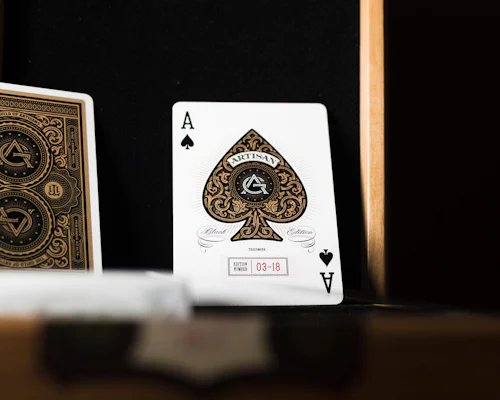
Understanding Poker as a Game
At its core, poker is a unique blend of strategy, psychological play, and chance. Unlike many traditional card games that rely solely on luck, poker challenges players to make decisions based on the behavior of opponents as well as their own hands. This complex interplay is what distinguishes poker from other games where winning is primarily dictated by the shuffle of the deck. For those looking to enhance their gaming experience, exploring options at https://millionercasino-gr.com/ can provide valuable insights into different strategies and gameplay techniques. Understanding the rules and the various hand rankings gives players a fundamental framework upon which to develop their skills and strategies.

The essential components of poker hinge on decision-making and the ability to read situations. Successful players constantly evaluate risk versus reward, weighing the strength of their hand against the potential draws of others. This involves a deep understanding of probabilities, allowing players to make informed choices whether to call, raise, or fold. Skillful players effectively manage their betting patterns and bluffing strategies, further elevating the game beyond mere chance, as they can capitalize on opponents' mistakes and exploit weaknesses in their play.
Moreover, poker's situational dynamics mean that players must adjust their strategies based on opponents’ actions and betting behaviors. For instance, observing a player who consistently raises when bluffed indicates potential tells that can influence your own strategy. Such cognitive assessment fosters an environment where skill plays a pivotal role, as seasoned players can often outmaneuver novices through sharper insights and strategic foresight. This adaptability not only enhances the player's experience but also reinforces the importance of developing a well-rounded skill set in poker.
The Role of Skill in Poker
Skill in poker manifests through various dimensions, including mathematical proficiency and psychological endurance. Successful poker players often exhibit a strong understanding of odds, employing math to estimate the likelihood of certain hands materializing. This quantitative approach is crucial when deciding whether to pursue a hand or to fold, as being able to calculate pot odds and implied odds can significantly impact long-term success. Over time, these mathematical skills can transform a player’s overall profitability and decision-making process at the table.
In addition to mathematical prowess, psychological factors play a significant role in poker’s skill-based nature. The ability to read opponents, understand their tendencies, and anticipate their actions can be invaluable. For instance, recognizing when an opponent is bluffing or has a strong hand requires keen observational skills and an understanding of their betting patterns over time. A player adept in these psychological tactics can gain a substantial advantage, as they can manipulate the flow of the game by projecting confidence or uncertainty as needed. This psychological edge can often be the difference between a winning and losing session.
Lastly, emotional control is another critical aspect of skill in poker. The game often involves high stakes and intense pressure, which can lead to emotional decision-making, resulting in costly mistakes. Players with strong emotional intelligence are better equipped to maintain composure and make strategic decisions even in turbulent situations. This aspect of skill is what separates the good players from the great ones, as they can adapt to the stressors of the game while maintaining a clear focus on their objectives. Emotional discipline enhances a player's ability to execute their strategies effectively, regardless of the game's unfolding circumstances.
The Element of Chance in Poker
Despite its strategic elements, poker does incorporate an undeniable aspect of chance, particularly through the random nature of card distribution. Each hand begins with a shuffle, and the cards that emerge can heavily influence the game's direction. Players can implement their strategies and skills, but they ultimately must contend with the inherent unpredictability that accompanies each deal. This randomness can lead to unpredictable swings in outcomes, making poker a game that can be exciting and volatile, where even the most skilled players may experience losing streaks due to bad luck.
Moreover, the element of chance introduces an additional layer of complexity to the game dynamics. Players must not only navigate their skill compared to others but also manage the fluctuations caused by luck. For example, a player might employ an excellent strategy and make all the right decisions yet still find themselves at the mercy of an opponent who draws a lucky card. This relationship between skill and chance creates a unique tension that keeps players engaged and challenged. Understanding how to capitalize on favorable situations while mitigating the effects of bad luck is a hallmark of a successful player.
The recognition of chance’s role is vital for understanding poker's broader appeal. While skilled players often emerge as long-term winners, the existence of luck ensures that the game remains accessible to newcomers. Every player has the potential to win a hand purely based on the cards they draw, which cultivates excitement and participation. This inclusion of chance levels the playing field, offering opportunities for players of all skill levels to experience victory, making poker not just a test of skill but also a thrilling gamble where anyone can have their moment in the spotlight.
Strategies for Balancing Skill and Chance
To excel at poker, players must devise strategies that effectively balance the elements of skill and chance. One essential approach is to cultivate a solid understanding of expected value. By calculating the potential return of a decision based on both skill-based estimations and the probabilities inherent in chance, players can make more informed choices that maximize their return over the long run. This balanced approach allows players to navigate the unpredictability of the game while harnessing their strategic knowledge, ultimately leading to a more sustainable path to success.
Another critical strategy involves adapting one’s play style based on the current dynamics of the game. Understanding when to be aggressive and when to play conservatively is a hallmark of a skilled player. For example, if a player recognizes that their opponents are excessively cautious, they might choose to employ a more aggressive strategy to exploit this weakness. Conversely, if they face a table of aggressive players, playing more conservatively might yield better results. This adaptability showcases skill in reading the table while remaining aware of the unpredictable nature of chance, allowing players to make the most of their opportunities.
Lastly, analyzing past sessions can provide valuable insights into where improvements can be made. By reviewing their play and the outcomes of various hands, players can identify patterns or mistakes that occurred due to a misjudgment of skill or chance factors. Utilizing tools or software for analysis can enhance this learning process, providing a framework for honing skills and developing methods to cope with the variance of luck inherent in poker. This practice of continuous improvement is what fosters elite player development in the competitive landscape of poker, ensuring that players are always evolving and adapting to new challenges.
Your Destination for Poker Knowledge
For those who are eager to deepen their understanding of poker and its nuanced interplay of skill and chance, this website serves as your ultimate destination. It offers a wealth of resources, including strategy guides, engaging articles, and hands-on tips that cater to players of all levels. Through comprehensive content, readers can gain insights into the various aspects of the game, allowing them to navigate both the mathematical and psychological components with greater ease. This knowledge is crucial for players looking to improve their game and develop effective strategies.
Furthermore, this website encourages an interactive community where players can share experiences, discuss strategies, and engage in spirited debates surrounding poker theory. The shared exchange of knowledge enriches the overall understanding of the game, emphasizing its complexities and the balance between skill and chance. By fostering a collaborative environment, this platform empowers aspiring players to improve their craft and explore poker's rich strategic landscape, providing them with the tools they need to succeed.
In conclusion, embracing the journey of learning poker can lead to significant enjoyment and mastery of the game. With a firm grasp of both the skill and chance elements, players can approach the table with confidence, ready to engage in one of the most intellectually stimulating card games available. Whether you're just starting or looking to refine your existing skills, this website is here to support you every step of the way, ensuring that your poker journey is both rewarding and fulfilling.